


관련링크
본문
수양딸 제니, 그리고 기적의 시간
수양딸 제니, 그리고 기적의 시간
얼마 전(2026년 1월) 미국 로스앤젤레스에서 제니 버스터(Jeni Busta)를 다시 만났다. 그녀를 처음 만난 것은 2024년 가을, 미국 세인트루이스에서 열린 폰탄 학회였다. ‘Fontan Outcomes Network(FON)’가 주관한 학회로, 우리 회사가 스폰서로 참여하였다. 학회에서는 의사와 연구자를 비롯해 환자들과 가족들도 함께 참여해 자신의 경험을 공유하고 폰탄 증상에 대한 여러 정보를 교환할 수 있었다. 여러 사람들이 뒤섞여 있는 그곳에서 처음 제니를 보았을 때 그녀의 배가 만삭의 임산부처럼 부풀어 올라있었던 것이 내 눈길을 끌었다.
나는 반가운 마음에 말을 건넸다.
“출산일이 언제인가요?”
내 말을 들은 그녀의 표정이 굳어졌다. 짧은 정적 끝에, 그녀가 침울하게 말했다.
“임신이 아니에요.”
그 한마디로 상황을 알아차릴 수 있었다. 간 기능이 거의 소실되면서 복수가 차오른 것이었다. 아뿔싸, 나의 말 실수가 너무나 후회스러웠다.
오래전, 간암으로 돌아가시기 전 아버지도 그런 모습이었던 것이 떠올랐다. 배가 서서히 부풀어 오르던 시간들, 아무것도 해드릴수 없었던 무력감, 그리고 점점 다가오던 생명의 끝... 그 기억이 겹쳐지면서 가슴이 무겁게 내려앉았다.
나는 제니의 가장 아픈 부분을 건드린 셈이었다. 제니와는 그날 다른 깊은 얘기를 나눌 수가 없었다. 많은 환자들이 나를 찾았고, 경황이 없었기 때문이다.
생사의 기로에서 맺은 인연
학회 마지막 날인 토요일, 호텔 로비에서 체크아웃을 마치고 나오려는데, 제니가 기다리고 있었다. 조용히 이야기를 좀 하고 싶다고 해서 작은 회의실로 갔다.
불이 꺼져 있던 회의실에 전등을 켜고 마주 앉았을 때, 제니는 어렵게 자신의 상황을 설명하기 시작했다. 그녀는 이미 간 기능이 말기 단계에 이르렀고, 더 이상 시간을 미룰 수 없는 상태였다.
폰탄 환자들은 선천적으로 기형 심장을 가지고 태어난다. 그래서 유아기 때 심장 수술을 받아야 하는데, 수술을 받고 살아온 시간이 길어질수록 간 기능이 점점 악화되는 것을 피할 수 없다. 환자들 대부분은 심장에서 시작된 질환이 결국 간까지 무너뜨리며 생명이 위태로워지는 과정을 겪어야 했다. 유일한 생존 방법은 장기 이식인데, 심장과 간을 동시에 이식해야만 효과가 있으며, 어느 한쪽만 수술해서는 별 소용이 없다고 한다.
주변에도 암 환자나 심장, 특히 간이 나쁜 지인들이 많아 간 이식 수술을 하는 경우가 더러 있었다. 그들 중에는 국내에서 기증자를 찾지 못해 미국이나 중국까지 가서 수술을 받는 친구들도 있었다. 그렇게 장기 한 개를 구하는 것도 하늘의 별 따기인 상황에서, 심장과 간, 두 개의 장기를 동시에 구해야 하는 폰탄 환자들은 기적만 바랄 수 밖에 없는 어려운 상황이었다. 또한 폰탄 환자로서 당시 제니의 나이인 마흔 살 정도까지 생존해 있는 것도 예상보다 오래 버텨준 기적 같은 일이었다.
제니는 어렵게 자신의 처지를 얘기하기 시작했다. 어머니는 오래전에 세상을 떠났고, 가장 의지하던 아버지마저 몇 해 전 세상을 떠났다고 했다. 그녀의 시선은 자주 아래로 떨어졌고, 목소리는 점점 작아졌다. 나는 아무 말도 하지 못한 채 이야기를 들었다. 어떤 위로도 쉽게 꺼낼 수 없었다.
얼마간의 침묵 끝에, 그녀가 입을 열었다.
“제 아버지가 되어주실 수 있나요.”
제니의 말은 더 이상 물러설 곳이 없는 사람이 마지막으로 내미는 간절한 손길처럼 느껴졌다. 내 딸과 비슷한 또래의 제니가 짊어진 선천성 심장병이라는 무거운 짐을 누구보다 잘 알고 있던 나는 작은 힘이라도 되어주고 싶어 망설임 없이 답했다.
“그래, 그렇게 하자.”
제니는 그렇게 나의 수양딸이 되었다.
기적은 믿는 사람에게 찾아온다
제니는 죽음이 나날이 다가오는 상황에서 수술을 감행해야 할지 말지 결정을 내리지 못하고 있었다. 제니에게 남은 유일한 선택은 장기 이식이었다. 수술을 받지 않으면 생존 가능성이 거의 없다는 것을 알면서도, 수술 자체의 위험과 이후의 삶에 대한 불확실성이 너무 컸기 때문에 제니는 깊은 고민에 빠져 있었고, 내게 정신적인 버팀목이 되어 도움을 달라고 요청했던 것이다. 심장과 간을 동시에 이식해야 하는 수술은 장기 하나를 구하는 것도 쉽지 않은 상황에서 현실적으로 매우 어려운 일이었다. 실제로 폰탄 환자의 동시 장기 이식에 대해 의료계에서도 찬반 의견이 갈리기도 한다. 어떤 의료진은 효과를 인정하지만, 다른 한쪽에서는 위험 부담이 너무 크다는 이유로 동시 이식 수술 자체를 꺼리기도 했다. 하지만 제니의 경우 당시에 이식할 수 있는 장기가 구해졌다는 것만으로 너무나 감사한 일이었다. 나는 그녀에게 희망의 메시지를 전하기로 했다.
“제니, 지금 포기하기에는 일러. 그러니 해보자.”
그렇게 제니와의 짧은 만남이 있은 뒤, 한국에 와서도 계속 연락을 주고 받았다. 제니는 고등학교 교사인 그녀의 남편과 함께 유튜브를 통해 투병 과정을 계속 기록해 나갔다. 그리고 제니는 마침내 수술을 선택하게 되었다.
수술은 로스앤젤레스의 UCLA병원에서 진행되었다. 간을 먼저 이식하고 이어 심장을 교체하는 방식으로 전체 수술 시간이 약 24시간에 달하는 대수술이었다. 심장 이식 과정에서는 기존 심장을 제거하고 새로운 심장을 연결해야 하기 때문에, 일정 시간 동안 인공적으로 혈액을 순환시키는 장치에 의존해야 한다. 그 과정에서 혈류 공급이 일시적으로 불안정해지는 순간이 생길 수밖에 없다. 실제로 제니 역시 수술 중에 뇌로 가는 혈류가 일시적으로 중단될 위험한 순간도 있었다. 그 시간은 길지 않았지만, 결과에 따라 치명적인 영향을 미칠 수 있는 구간이었다.
제니의 미소, 그리고 감사 인사
그 모든 어려움을 지나 수술은 마무리되었다. 결과적으로는 성공이었다. 하지만 이후의 과정이 더 심각했다. 수술 직후 신장 기능이 급격히 떨어지면서 투석 치료가 필요했다. 그녀는 수개월 동안 투석과 회복 과정을 반복하며 그 시간을 이겨냈다. 반년을 넘긴 기간을 지나 제니의 신장 기능도 점차 회복되었고, 결국 이식 수술은 안정적으로 자리 잡았다.
이번에 수술 후 다시 만난 제니의 모습은 처음과는 완전히 달라져 있었다. 폰탄 환자들은 대개 산소포화도가 낮아 얼굴이 창백한 경우가 많다. 그러나 그녀의 얼굴빛은 건강한 사람과 다르지 않을 정도로 혈색이 좋았고, 눈빛에도 힘이 있었다. 수술 직후 크게 감소했던 체중도 다시 정상 수준으로 돌아오고 있다고 했다.
나는 그녀에게 농담반 진담반으로 말했다.
“제니, 너는 엄청 오래, 또 건강하게 살 거야. 가장 중요한 장기인 심장과 간을 새롭게 이식했으니 다시 태어난 거나 마찬가지잖아.”
내 말에 그녀는 웃었다. 그 표정만으로 충분했다. 하나님이 두 번째 삶을 주셨다.
수술에는 큰 비용이 들었다. 보험이 적용되더라도 환자가 부담해야 할 금액도 상당한 수준이었다. 형편이 그리 넉넉지 않은 이들 부부에게 환자 본인 부담금은 여전히 큰 짐이었으므로 나는 수술 비용의 일부를 지원했다. 그것은 자연스러운 결정이었다. 제니를 나의 수양딸로 삼기로 했으니, 우리는 가족이나 다름없기 때문이다.
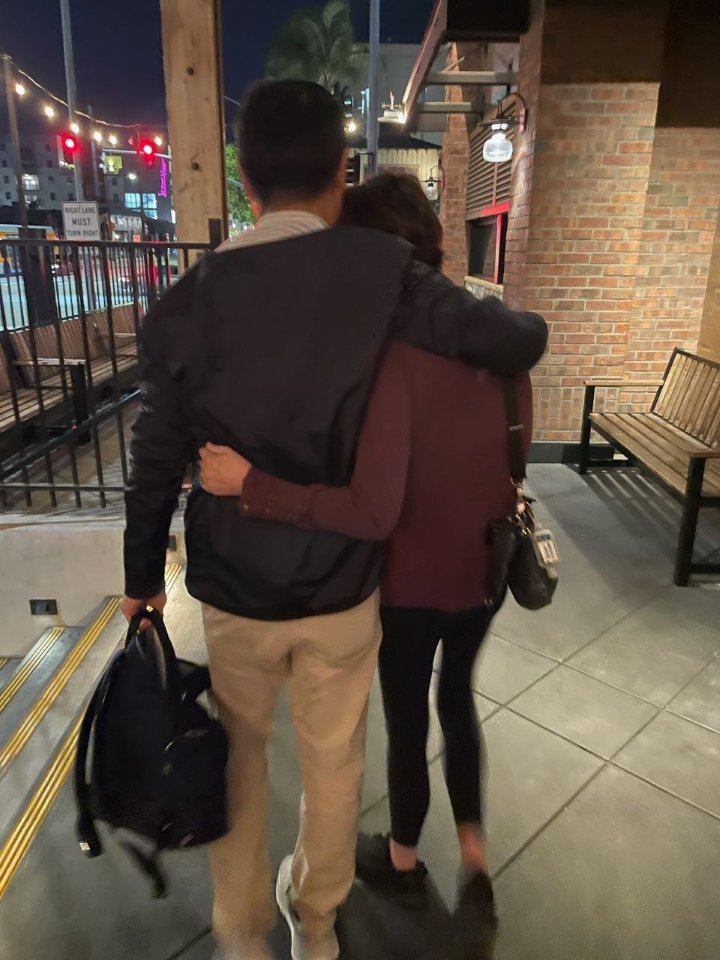
저녁 식사를 마치고 헤어지려던 순간이었다. 제니가 남편과 주차장으로 향하고, 나는 대기 시킨 기사가 차를 가져올 때까지 제니 부부를 배웅하느라 함께 천천히 걸어갔다. 그때 제니가 내 옆으로 다가와 팔짱을 끼며 내 어깨에 옆머리를 살짝 기댔다.
그리고 작은 목소리로 말했다.
“아빠, 고마워요.”
짧은 인사였지만, 건강을 회복한 그녀가 얼마나 매일매일 감사한 시간을 보내고 있을지 충분히 알 수 있었다. 제니가 내 팔짱을 끼고 주차장으로 걸어가는 뒷모습을 제니 남편이 사진으로 찍어서 보내왔다. 뒷모습이라 제니와 나의 얼굴 표정은 볼 수 없었지만 필시 행복과 감사의 마음이 충만한 얼굴이었을 것이다.
나는 의사는 아니지만, 그녀가 힘든 선택의 시간에서 헤매고 있을 때, 희망적인 선택을 할 수 있도록 힘을 주었다. 그리고 그 선택은 결과적으로 한 사람의 삶을 다시 살게 했다. 이 경험을 통해 다시 한번 깨닫게 되었다. 신약 개발은 단순히 수치나 확률의 문제가 아니다. 그것은 사람의 생명과 연결되어 있으며, 생명의 기적은 그것을 믿는 사람에게 나타난다는 사실이다.
제니의 삶은 그것을 가장 잘 보여주고 있었다.
My Adopted Daughter Jeni, and a Time of Miracles
Not long ago (January 2026), I met Jeni Busta again in Los Angeles, USA. I first met her in the fall of 2024 at a Fontan conference held in St. Louis, USA. The conference was hosted by the 'Fontan Outcomes Network (FON),' and our company participated as a sponsor. Doctors, researchers, patients, and their families gathered to share their experiences and exchange information about Fontan symptoms. Amidst the crowd, Jeni caught my attention because her abdomen was swollen like that of a full-term pregnant woman.
Glad to see her, I started a conversation.
"When is the baby due?"
Upon hearing my question, her expression hardened. After a short silence, she replied glumly,
"I'm not pregnant."
With those few words, I immediately realized the situation. Her liver function was nearly lost, causing severe ascites. Oh no—I deeply regretted my slip of the tongue.
It reminded me of my late father before he passed away from liver cancer long ago. The memory of his abdomen gradually swelling, the helplessness of not being able to do anything, and the approaching end of life came back to me, weighing heavily on my heart.
I had touched Jeni's most painful spot. I couldn't have a deeper conversation with her that day because many other patients were looking for me, and things were hectic.
A Relationship Formed at the Crossroads of Life and Death
On Saturday, the last day of the conference, I was about to leave after checking out in the hotel lobby when Jeni was waiting for me. She asked if we could talk quietly, so we moved to a small meeting room.
Turning on the lights in the dark room and sitting face-to-face, Jeni began explaining her situation with difficulty. Her liver function was already at an end stage, and she could no longer delay treatment.
Fontan patients are born with congenital heart defects. They undergo heart surgery during infancy, but as time passes, deterioration of liver function becomes inevitable. For most patients, the condition starting from the heart eventually wrecks the liver, putting their lives in grave danger. The only way to survive is an organ transplant, and it must be a simultaneous heart-liver transplant; operating on just one organ is virtually ineffective.
I have known acquaintances with cancer or heart and liver issues who underwent liver transplants. Some friends even had to travel to the US or China because they couldn't find a donor locally. When securing a single organ is as difficult as plucking a star from the sky, Fontan patients needing two organs simultaneously have no choice but to pray for a miracle. Furthermore, for a Fontan patient to survive until around forty—Jeni's age at the time—was already an unexpected, miraculous feat.
Jeni painfully shared her personal story. Her mother had passed away long ago, and her father, whom she relied on most, had also passed away a few years prior. Her eyes frequently drifted downward, and her voice grew softer. I listened quietly without saying a word, unable to offer easy words of comfort.
After a moment of silence, she spoke up.
"Could you become my father?"
Her words felt like a desperate plea from someone with nowhere left to turn. Knowing better than anyone the heavy burden of congenital heart disease carried by Jeni—who was similar in age to my own daughter—I wanted to offer whatever support I could, so I answered without hesitation.
"Yes, let's do that."
And that was how Jeni became my adopted daughter.
Miracles Come to Those Who Believe
Facing approaching death day by day, Jeni was unable to decide whether to undergo the operation. Organ transplantation was her only remaining option. Even though she knew her chances of survival without surgery were near zero, the risks of the procedure and the uncertainty of life afterward terrified her. She was deeply troubled and asked me to be an emotional pillar to support her. A dual transplant of both heart and liver is exceptionally difficult in reality when obtaining even one organ is hard. In fact, opinions within the medical field were divided regarding dual transplants for Fontan patients. While some medical teams recognized its efficacy, others hesitated due to the overwhelming risks involved. However, in Jeni's case, simply finding matching donor organs at that time was a huge blessing. I decided to give her a message of hope. "Jeni, it's too early to give up. Let's give it a try."
After that brief meeting, we stayed in touch continuously after I returned to Korea. Jeni and her husband, a high school teacher, documented her journey fighting the illness through YouTube. Ultimately, Jeni decided to move forward with the surgery.
The surgery took place at UCLA Hospital in Los Angeles. It was a massive 24-hour procedure where the liver was transplanted first, followed by the heart. During the heart transplant, the old heart had to be removed and the new one connected, requiring
reliance on an artificial blood circulation machine. During this process, moments of temporary instability in blood supply were unavoidable. Indeed, Jeni faced a perilous moment during surgery when blood flow to her brain was temporarily interrupted. Although brief, it was a critical window that could have had fatal consequences.
Jeni's Smile and Expression of Gratitude
Overcoming all those hurdles, the surgery was completed—a success in the end. However, the aftermath was even more severe. Immediately post-surgery, her kidney function dropped sharply, requiring dialysis treatment. She endured months of repeating dialysis and recovery. After more than half a year, her kidney function gradually recovered, and the transplant fully stabilized.
Meeting Jeni again about two years after her surgery, she looked completely transformed. Fontan patients often look pale due to low oxygen saturation, but her complexion was as rosy and healthy as anyone else's, and her eyes were full of vitality. Her weight, which had dropped significantly after surgery, was returning to a normal level.
I told her half-jokingly and half-seriously,
"Jeni, you are going to live a very long and healthy life. Since you received a new heart and liver—the most important organs—it's practically like being reborn."
She laughed at my words. That expression alone was enough.
The operation was extremely expensive. Even with insurance, the out-of-pocket cost for the patient was substantial. Since the couple's financial situation was modest, the remaining medical bill was still a massive burden, so I helped cover part of the surgical costs. It was a natural decision. Once I decided to take Jeni as my adopted daughter, we were family. It happened as we were about to part ways after dinner. As Jeni and her husband walked toward the parking lot, I walked slowly beside them until my driver brought my car. That was when Jeni came up beside me, linked her arm in mine, and gently rested the side of her head against my shoulder.
She whispered softly,
"Thank you."
It was a brief phrase, but I could fully feel how deeply she cherished every day now that her health was restored. Jeni's husband snapped a photo from behind of us walking toward the parking lot arm-in-arm and sent it to me. Though taken from behind so our expressions weren't visible, I am sure our faces were filled with happiness and gratitude.
Though I am not a medical doctor, I offered her strength so she could make a hopeful choice when she was lost in a moment of agonizing decision. Ultimately, that choice allowed a person to live a new life. Through this experience, I realized once more that drug development is not merely a matter of figures or probabilities. It is intimately linked to human life, and miracles of life manifest for those who believe in them.
Jeni's life proved that better than anything else.